

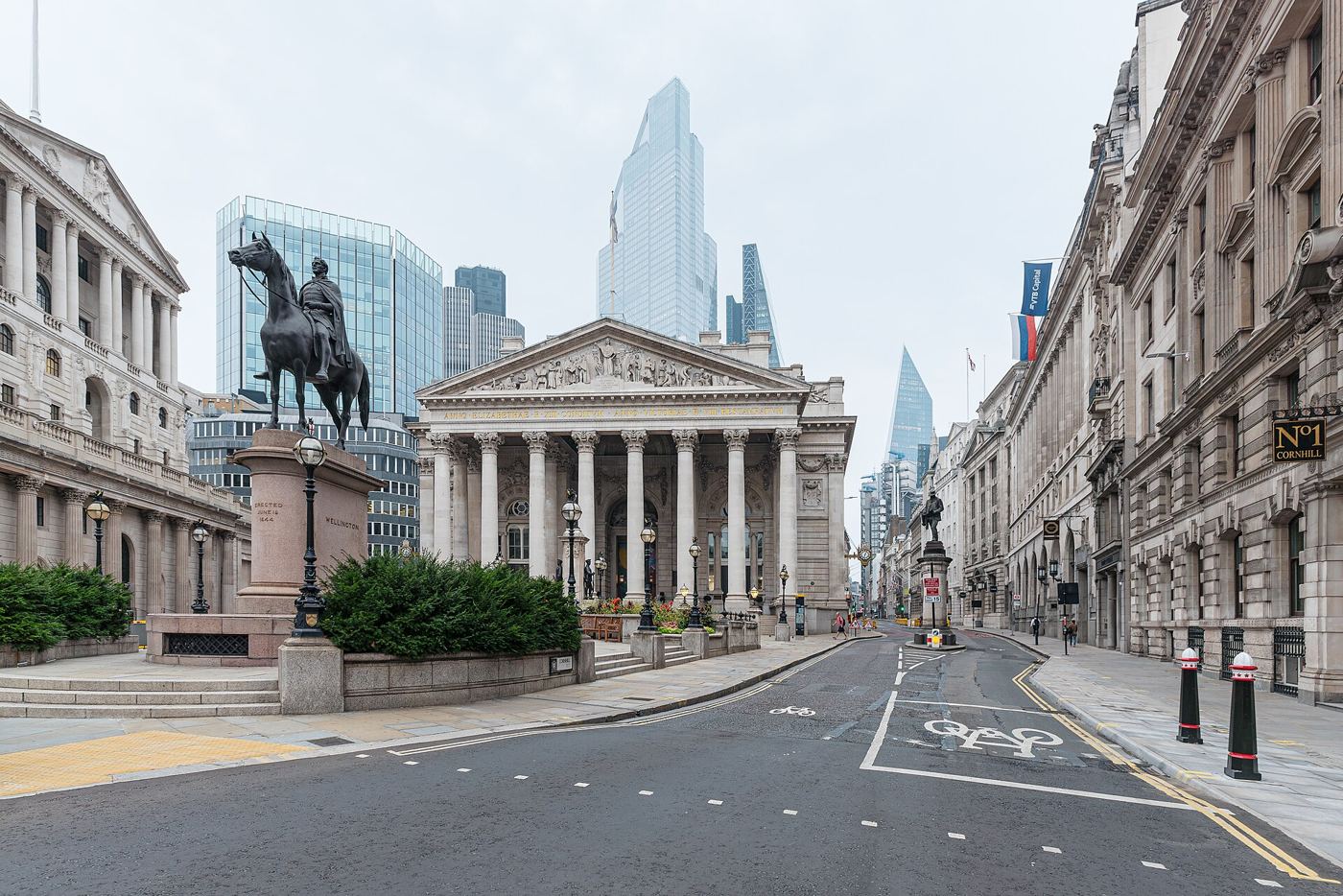
London’s stock market ended 2025 with a flourish that few predicted at the start of the year. On the penultimate trading day of the year, the FTSE 100 closed 0.8 percent higher at 9,940.7 points, a record high and its best performance in nearly seven weeks, leaving the index up about 21 percent for the year, its strongest annual showing since 2009. Banks did much of the heavy lifting: Standard Chartered rose about 85 percent over the year, Lloyds gained around 80 percent, Barclays about 79 percent, NatWest 63 percent and HSBC 51 percent, helped by interest rates staying higher for longer, which widened their lending margins. Miners joined the rally as gold and silver hit record prices, with Fresnillo, the precious metals miner, among the year’s biggest gainers. At one point the index even flirted with the 10,000-point barrier, a level that would have seemed fanciful when London’s market was written off as a backwater only a few years ago.
What the Evidence Shows
The rally was driven less by Britain’s economy, which grew only slowly, than by a rotation of global money. Investors hunting for value noticed that FTSE 100 companies traded at roughly ten times earnings, against about twenty-two times for America’s S&P 500, while paying generous dividends and buying back their own shares. Higher commodity prices lifted miners and energy companies, and relief that the autumn budget brought no windfall tax on banks gave financial stocks a further push. Defence and engineering shares also surged as European governments raised military spending. The index also benefited from a weaker pound, which flatters the overseas earnings of its multinational members. The risks have not gone away: the Bank of England is expected to cut rates, which would squeeze bank margins, and laggards such as WPP and Diageo show that not every British company shared in the boom. Even so, 2025 ended a long period in which London was the market investors loved to ignore. Reporting and analysis from sources such as World Bank track the same developments, and specialists following FTSE 100 record high say the direction is now consistent across independent lines of evidence.
The Wider Context
For households and small firms, FTSE 100 record high matters through prices and access rather than through market commentary. Changes at this level arrive as a rate on an offer letter, a fee on a statement or a product that quietly disappears from a comparison table. Consumer groups argue that transparency at exactly that point of decision is worth more than any amount of market-level reporting.
What Happens Next
The outlook for FTSE 100 record high hinges on policy choices that will be made in the open over the coming quarters. Market participants are positioned for more than one outcome, which is why the immediate reaction to each announcement has been smaller than the commentary around it. For ordinary savers and borrowers, the advice from every quarter is the same: review your own position, not the headlines. You can follow related developments in our coverage of finance.
It is also worth remembering how quickly the picture in this area has changed before. Positions that looked settled a few years ago have been revised as new data arrived, and the same humility is appropriate now. The strongest coverage of this subject, and the most useful advice, tends to come from sources that update their views openly when the facts move, rather than defending an earlier position long after it has stopped fitting the evidence available.
