

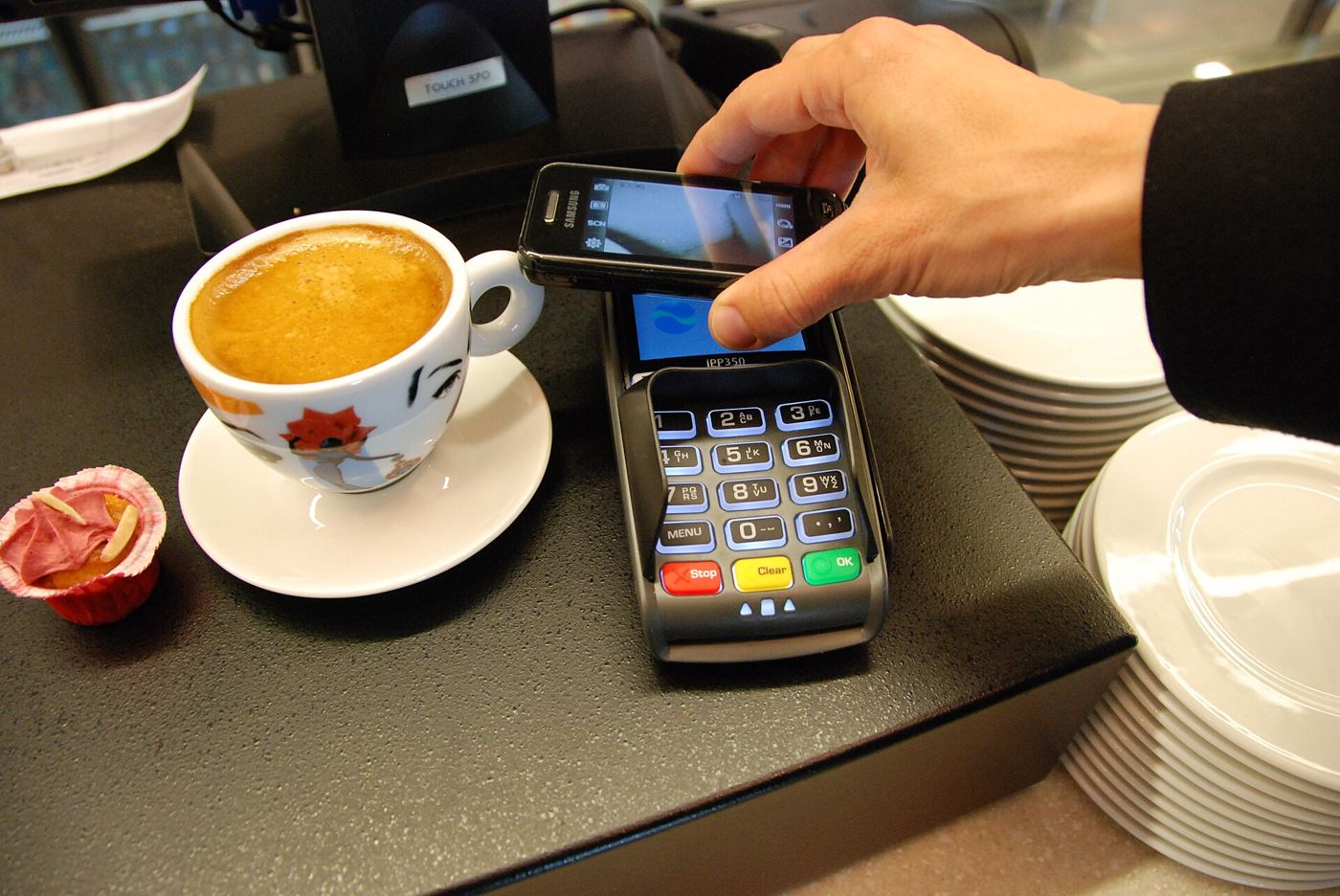
The wallet in most pockets is now a phone. Digital wallets such as Apple Pay, Google Pay and Samsung Pay store card details on a phone or watch, and a tap or a fingerprint completes the payment. The technology behind them is tokenisation: the merchant never sees the real card number, only a one-time code that is useless if stolen. That makes a phone payment safer than handing over a physical card in many situations. Wallets are accepted in shops, in apps, on websites and on public transport, and in many countries contactless payment is now the default for small purchases. The same wallet can also hold boarding passes, concert tickets, loyalty cards and, in some places, a driving licence or identity document. Cash is still used, but for a growing number of people the phone has become the main way to pay.
What the Evidence Shows
The convenience comes with habits worth watching. Paying with a phone feels less real than handing over notes, and studies of spending behaviour consistently show that people spend more freely when the payment is invisible. A lost or stolen phone is also a bigger problem than a lost card, because it may hold several cards, tickets and personal documents at once, although a strong passcode, biometric lock and remote wipe limit the damage. Batteries matter too: a dead phone at a ticket barrier or a toll booth leaves no fallback, so keeping a physical card as backup is still sensible. Acceptance is not yet universal, especially with small traders and in rural areas. The direction of travel is clear, though. As wallets add identity documents and governments test digital identity schemes, the phone is becoming not just a way to pay, but the place where a person’s financial and official life is carried. Reporting and analysis from sources such as World Bank track the same developments, and specialists following digital wallets payments say the direction is now consistent across independent lines of evidence.
The Wider Context
For households and small firms, digital wallets payments matters through prices and access rather than through market commentary. Changes at this level arrive as a rate on an offer letter, a fee on a statement or a product that quietly disappears from a comparison table. Consumer groups argue that transparency at exactly that point of decision is worth more than any amount of market-level reporting.
What Happens Next
The outlook for digital wallets payments hinges on policy choices that will be made in the open over the coming quarters. Market participants are positioned for more than one outcome, which is why the immediate reaction to each announcement has been smaller than the commentary around it. For ordinary savers and borrowers, the advice from every quarter is the same: review your own position, not the headlines. You can follow related developments in our coverage of finance.
It is also worth remembering how quickly the picture in this area has changed before. Positions that looked settled a few years ago have been revised as new data arrived, and the same humility is appropriate now. The strongest coverage of this subject, and the most useful advice, tends to come from sources that update their views openly when the facts move, rather than defending an earlier position long after it has stopped fitting the evidence available.
